
I am sure you have heard the budgeting advice: go to the store with a list and stick to it. Meal plan. Don’t impulse buy. I certainly had, and tried to implement it. But, how does one really meal plan? I would always find that I had lots of ingredients, but I was always missing something essential. Or things would rot in my crisper drawers before I could use them. So much for a plan!
It has taken me a long time to learn to meal plan effectively. Roughly a decade, in fact. In the last few months, I feel like I may have finally mastered it. Am I a gourmet cook? No. Can I get an edible dinner on the table in a timely fashion, with minimal fuss and no last minute trips to the grocery store? Absolutely!
A little background
Getting to this point has involved a lot of practice, some false starts, and several subscription plans and monthly cooking lists. While I appreciated the brain space these tools freed up, overall they were hit and miss. Sometimes we would really like something from a plan. Oftentimes not. If I didn’t use the plan for the week, or eat all the month’s worth of freezer meals before they were freezer burned, I felt like I was throwing money down the drain. Which I guess I was!
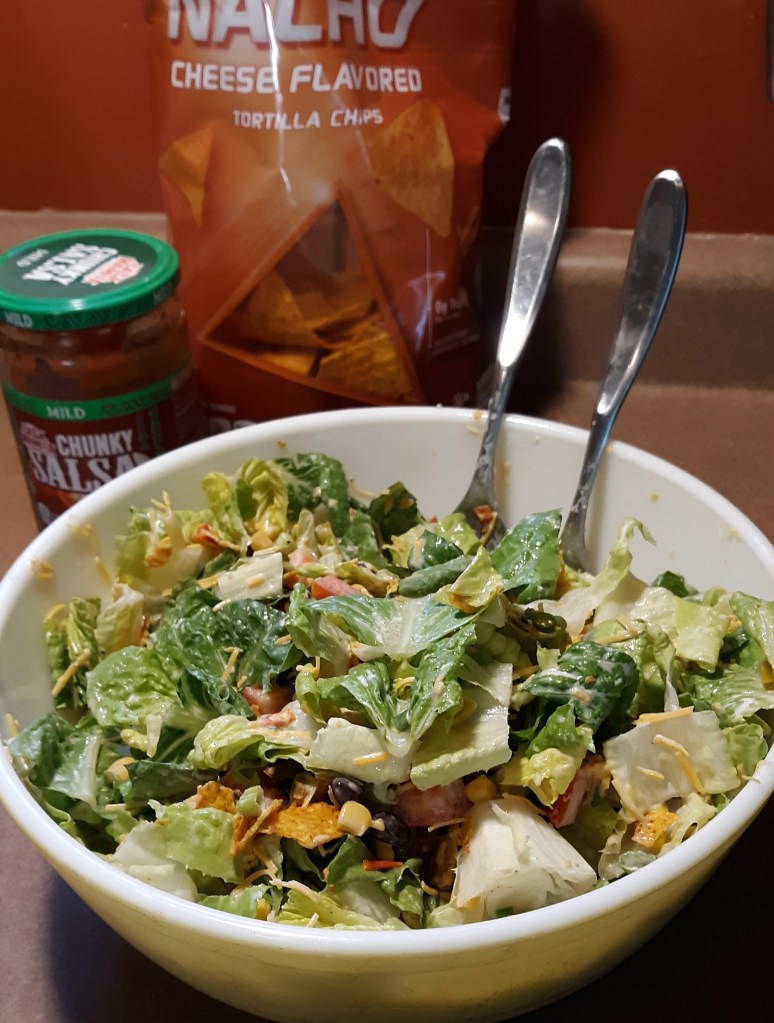
The biggest problem was that the plans were made by someone else, to someone else’s tastes, preferences, timing, and climate. Often I found myself getting ingredients I normally wouldn’t use, and which would eventually go to waste in my fridge or cupboard. Or things were out of season in the midwest, and therefore super expensive. Often, things were more complicated than I had the time or brain power to commit to, and I would punt and make pasta with marinara or get takeout. And following someone else’s plan, it was hard to fit in those favorite meals we like to eat often.
My process
At the beginning of the pandemic, I knew I wouldn’t want to make a bunch of trips to the store. I decided the best thing to do would be to put together a two week meal plan of some of our favorite simple meals, plus a few new recipes to try.
I got out my favorite cookbooks, my recipe binder, and my notebook of favorites. I selected 14 dinners, and put together a list. It worked pretty well. After those two weeks, I did the same thing again, choosing 14 more dinners. As I usually do, I took notes of the meals we enjoyed most.
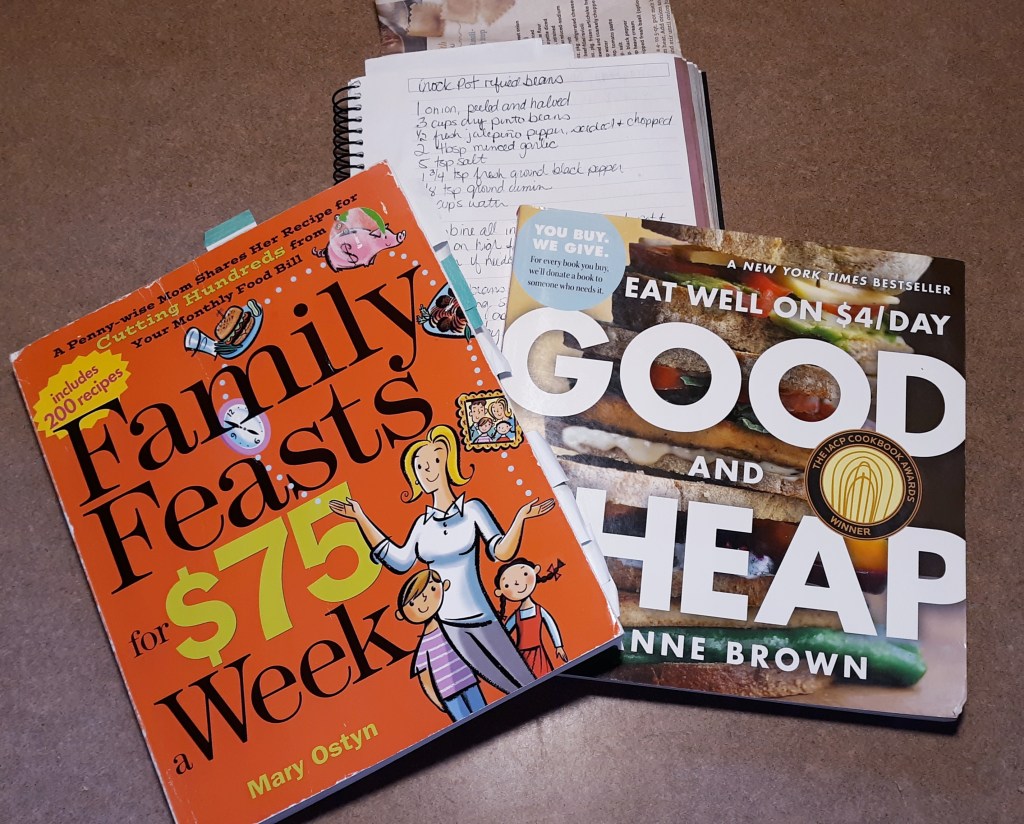
After a couple months, I decided that it would be nice to have a rotating plan for the season. Ok, I’ll be honest, I wanted to do even less thinking.
One of my favorite basic cookbooks, Family Feasts for $75 a Week, suggests making a weekly shopping list and keeping it in your wallet. I wanted something with a little more variety, and I wanted to continue to shop every 2 weeks, rather than every week as I used to do. But I thought the idea could be adapted to my needs.
So once again, I sat down and decided on 28 recipes that we really like. A major goal when choosing my recipes was to go to only one store as much as possible. I used to go to three or four stores to get particular things, specialty ingredients, or items from bulk bins. Now, I pretty much go to Aldi, so I kept in mind the types of things I could get there when choosing my meals. If I can’t get an ingredient at Aldi (looking at you, eggplant), I substitute something I can get there (hello, zucchini!). Or, I will go and get those special ingredients on a separate run, but get as much as I can so I don’t have to do it again for a while.
Recipes chosen, I separated them into two meal lists, dividing dishes between the two so that each one had a fish meal, a venison meal, a meal with eggs as the protein, a cured meats meal, and a good spread of pasta, rice and other grain dishes. I also tried to make sure that I was using as much similar produce as possible, so I wouldn’t end up with half a bunch of kale left over, with no plan to use it.
Armed with my meal lists, I made a shopping list for each. I went through every recipe on a list and noted each ingredient and amounts required. When I saw the same ingredient again, I just increased the amount. I separated the ingredients into categories to make shopping easier: produce, breads/cereals, canned goods, frozen, meat and cheese, staples, and household.
After I had all my dinner ingredients for each meal list, I considered what we usually eat for breakfast, lunch, and snacks. I jotted down some options, and added the things I would need to my shopping lists.
Finally, I added those staples that didn’t yet appear on my shopping lists: spices, coffee, and condiments, plus things like dog food and toilet paper.
My 4 week summer meal plan was complete!

How I use my plan
I start with those recipes that have ingredients that will go bad the quickest: fresh spinach and kale, cucumbers, zucchini, tomatoes, cilantro. Once I have cooked those meals, I move on to recipes that have fresh ingredients that hold slightly longer in the fridge, like broccoli, cabbage, and peppers. Finally, I make recipes that have ingredients with long shelf lives, like potatoes and carrots, and those that use canned and frozen foods. This way, little to nothing will be wasted by languishing too long in my fridge or pantry.
I plan to use these four weeks of meals through September, since they highlight produce that is in season in the summer. Then I will repeat the process again and sub in some fall recipes for the more summery ones. My family has already put in requests for dishes they particularly like when the weather turns cold!
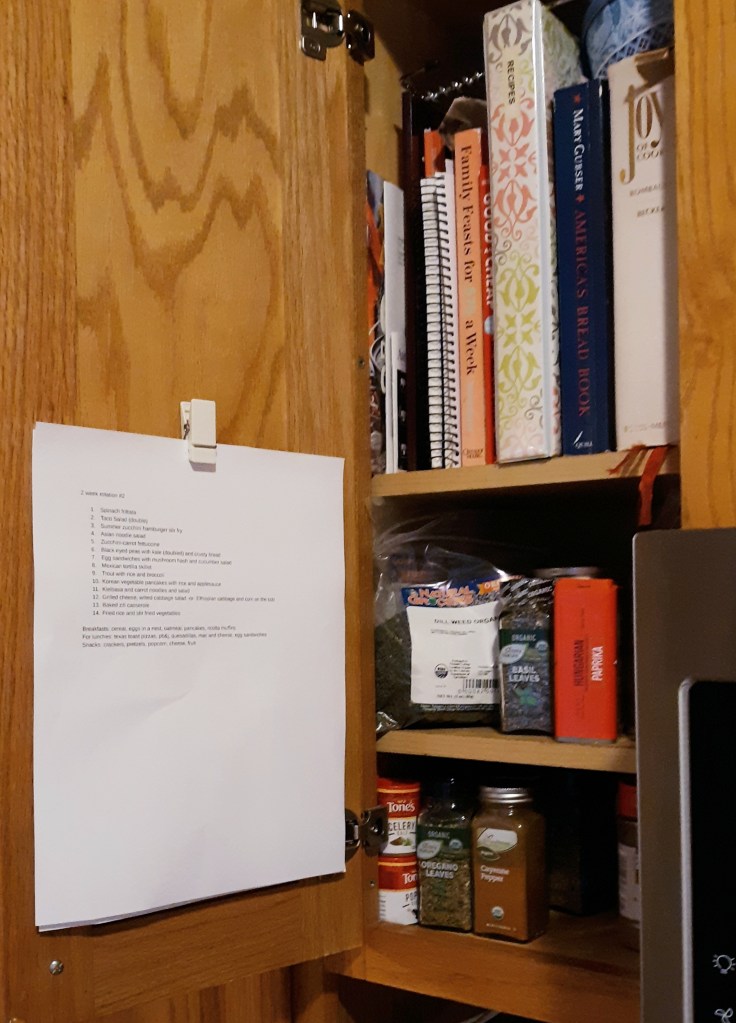
I do still find that we need to make a quick run to the store in between large shops. My biggest issue is milk. My refrigerator is simply not large enough to hold all the milk we would drink and use in two weeks. And occasionally I find that we need something else (ahem, beer). But overall, my trips to the store have been at least halved, and I don’t have to think much at all about what is for dinner, which is priceless.
SOUND GOOD?
If you want to give it a try, here is how to create your own, personalized 4 week meal plan:
- Choose 28 recipes you like, or would like to try. If you don’t mind eating the same thing a lot, you could choose 14 or even 7 meals and repeat them more often. Or, you could cook double recipes and freeze half to reheat later in your meal cycle!
- Decide how often you want to shop. Divide the recipes if necessary so you are only shopping for what you need until you go shopping again. Make sure to have some recipes with fresh ingredients and some with frozen or canned or long-storing ingredients on each list.
- Make a list of all the ingredients needed for each recipe for each grocery run. Combine this information into a master list, with totals needed of each ingredient (e.g. how many cups of rice? How many onions?). Do this for each meal list you created earlier.
- Add any items you need for other meals, snacks, beverages, toiletries, etc.
- Shop!
- Cook from your list, starting with recipes that use the most perishable ingredients first.
If this is a novel way for you to shop, it might take some getting used to. But for a small time investment up front, you will find that you don’t need to think much at all about what’s for dinner!


A lot of people are doing a lot of planning right now!
LikeLike